Introduction
Work trucks have been an essential tool in various industries for decades, providing a versatile means of transportation and carrying heavy loads to job sites. From construction to landscaping, agriculture to utilities, work trucks play a crucial role in keeping businesses running smoothly. Over the years, these utility vehicles have evolved significantly, incorporating advanced technology, improved safety features, and enhanced performance capabilities. In this comprehensive guide, we will explore the history, types, uses, and advancements of work trucks in the modern era.
History of Work Trucks

The concept of work trucks can be traced back to the early 20th century when industries started using motorized vehicles to transport goods and materials. The first work trucks were basic in design, often modified versions of passenger cars with added cargo space. As industries grew and transportation needs increased, manufacturers began producing specialized utility vehicles tailored to specific tasks.
One of the earliest and most iconic work trucks is the Ford Model T, which was introduced in 1917 as a commercial vehicle. The Model T pickup truck revolutionized the way goods were transported, offering a cost-effective and efficient solution for businesses. As demand for work trucks grew, other automakers such as Chevrolet, Dodge, and GMC entered the market with their own models, further diversifying the options available to consumers.
Types of Work Trucks
Work trucks come in various shapes and sizes, each designed to meet specific industry requirements. Some of the most common types of work trucks include:
1. Pickup Trucks: Pickup trucks are versatile utility vehicles with an open cargo bed at the rear. They are widely used in construction, landscaping, and agriculture for transporting tools, equipment, and materials. Pickup trucks come in different sizes, from compact models to heavy-duty trucks capable of towing large trailers.
2. Service Trucks: Service trucks, also known as utility trucks or service vehicles, are equipped with specialized compartments and tools for maintenance and repair work. These trucks are commonly used by technicians, electricians, plumbers, and other service professionals who need to carry a wide range of equipment to job sites.
3. Dump Trucks: Dump trucks are designed for transporting loose materials such as sand, gravel, and debris. They feature a hydraulic lift mechanism that allows the cargo bed to be raised and emptied at the rear. Dump trucks are essential in construction, mining, and municipal operations.
4. Flatbed Trucks: Flatbed trucks have a level, open cargo bed without any sides or roof. https://www.worktruckmaker.com/wp-content/uploads/2024/07/微信图片_20240702161135-600x450.png are ideal for transporting oversized or irregularly shaped loads that cannot fit in a traditional enclosed truck bed. Flatbed trucks are commonly used in the transportation of construction materials, machinery, and vehicles.
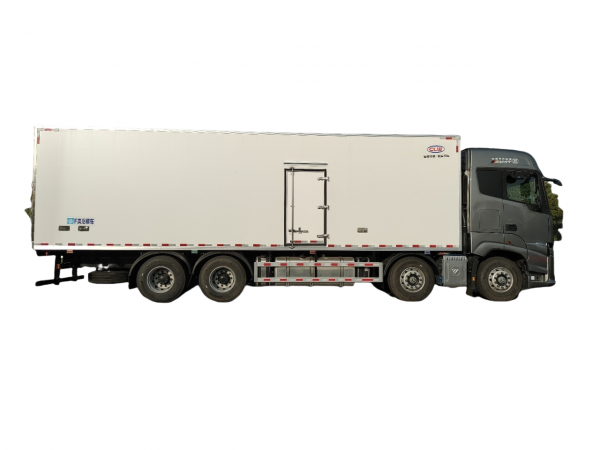
5. Box Trucks: Box trucks, also known as cube vans or straight trucks, have a fully enclosed cargo area with a box-like structure. These trucks are popular for moving household goods, delivering freight, and providing mobile storage solutions. Box trucks come in various sizes and configurations to accommodate different cargo volumes.
Uses of Work Trucks
Work trucks are utilized across a wide range of industries and applications due to their versatility and practicality. Some of the common uses of work trucks include:
1. Construction: Work trucks are essential in the construction industry for transporting building materials, tools, and equipment to job sites. Pickup trucks, dump trucks, and flatbed trucks are commonly used in construction projects of all sizes.
2. Landscaping: Landscaping companies rely on work trucks to transport plants, mulch, soil, and landscaping tools to residential and commercial properties. Pickup trucks with custom bed configurations are popular choices for landscapers.
3. Agriculture: Farmers use work trucks for various tasks such as hauling crops, livestock, and farm supplies. Flatbed trucks and utility vehicles with towing capabilities are indispensable in agricultural operations.
4. Utilities: Utility companies use service trucks to maintain and repair power lines, telecommunications equipment, and other infrastructure. These trucks are equipped with specialized tools and safety features to ensure efficient service delivery.
5. Moving and Delivery: Moving companies and delivery services rely on box trucks to transport goods from one location to another. The enclosed cargo area of box trucks provides protection against weather conditions and theft.
Advancements in Work Trucks
In recent years, work trucks have undergone significant advancements in technology, safety, and performance to meet the evolving needs of businesses and industries. Some of the key advancements in work trucks include:
1. Electric and Hybrid Models: With a growing focus on sustainability and environmental conservation, manufacturers have started producing electric and hybrid work trucks. These vehicles offer reduced emissions, lower operating costs, and quieter operation compared to traditional gasoline or diesel trucks.
2. Connectivity Features: Modern work trucks are equipped with advanced connectivity features such as GPS navigation, telematics systems, and remote monitoring capabilities. These features enable businesses to track vehicle location, monitor fuel efficiency, and optimize route planning for increased productivity.
3. Safety Innovations: Safety is a top priority in the design of work trucks, leading to the integration of advanced safety technologies such as collision avoidance systems, lane departure warnings, and blind-spot monitoring. These features help reduce the risk of accidents and improve driver awareness on the road.
4. Improved Payload Capacity: Manufacturers have developed work trucks with enhanced payload capacities to accommodate heavier loads and increased towing capabilities. This allows businesses to transport more materials and equipment in a single trip, improving efficiency and reducing operational costs.
5. Ergonomic Designs: Work trucks are now designed with ergonomic features to enhance driver comfort and reduce fatigue during long hours on the road. Adjustable seats, climate control systems, and intuitive controls contribute to a more comfortable and productive work environment for operators.
Conclusion
Work trucks have come a long way from their humble beginnings to become indispensable assets in various industries around the world. With continuous advancements in technology, safety features, and performance capabilities, modern work trucks offer unparalleled efficiency, reliability, and versatility for businesses of all sizes. Whether it's hauling construction materials, servicing utility lines, or delivering goods, work trucks play a vital role in keeping economies moving forward. As we look towards the future, it is certain that work trucks will continue to evolve and adapt to meet the changing demands of the global workforce.